Prepare a report on Impact of Inclusive Education on Student Well-being, Your report should include the following questions:
i. How does inclusive education influence the well-being of students?
ii. What are the common well-being benefits associated with inclusive educational environments?
iii. What strategies can educators implement to create inclusive classrooms that support student well-being?
iv. How can schools ensure that inclusive practices are effectively implemented and sustained to promote student well-being?
Impact of Inclusive Education on Student's Well-being
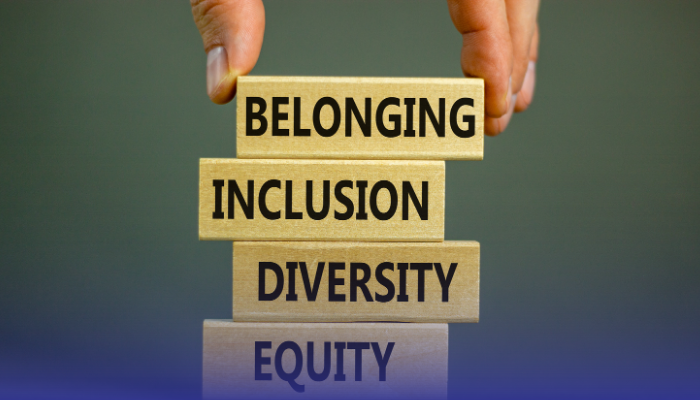
Inclusive education has a profound impact on the well-being of students, fostering a sense of belonging, acceptance, and support within the school community. Inclusive educational environments embrace diversity, celebrate differences, and prioritize the holistic development of all students, regardless of their backgrounds, abilities, or identities.
Common well-being benefits associated with inclusive educational environments include increased self-esteem, improved social skills, and enhanced emotional resilience. Students in inclusive classrooms feel valued, respected, and empowered to participate actively in their learning, leading to greater engagement, motivation, and overall satisfaction with the school experience.
Educators can implement various strategies to create inclusive classrooms that support student well-being, such as fostering a positive and inclusive classroom culture, promoting peer collaboration and cooperation, and providing individualized support and accommodations for diverse learners. Additionally, incorporating inclusive curricular materials, teaching methods, and assessment practices ensures that all students have equitable access to learning opportunities and experiences success.
Schools can ensure that inclusive practices are effectively implemented and sustained to promote student well-being by prioritizing professional development and training for educators, providing resources and support for inclusive education initiatives, and fostering collaboration among stakeholders, including students, parents, and community members. Additionally, schools can establish policies and procedures that promote equity, diversity, and inclusion and regularly monitor and evaluate their progress toward creating inclusive learning environments.
In conclusion, inclusive education is essential for promoting the well-being of all students and creating schools that are welcoming, supportive, and conducive to learning and growth. By recognizing the impact of inclusive practices on student well-being and implementing strategies to create inclusive classrooms and schools, educators and school leaders can ensure that every student has the opportunity to thrive academically, socially, and emotionally.
